Dumpster Rental
Nationwide Construction Debris Removal
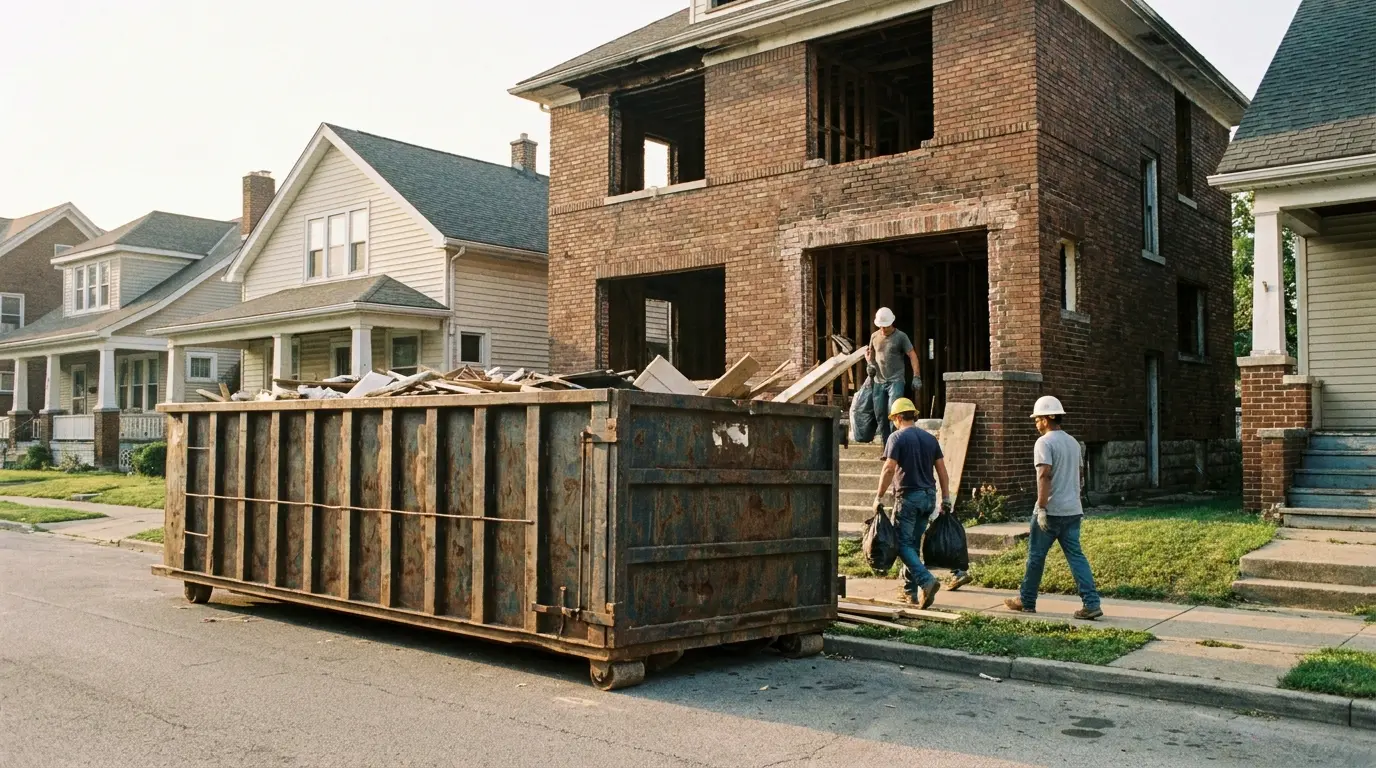
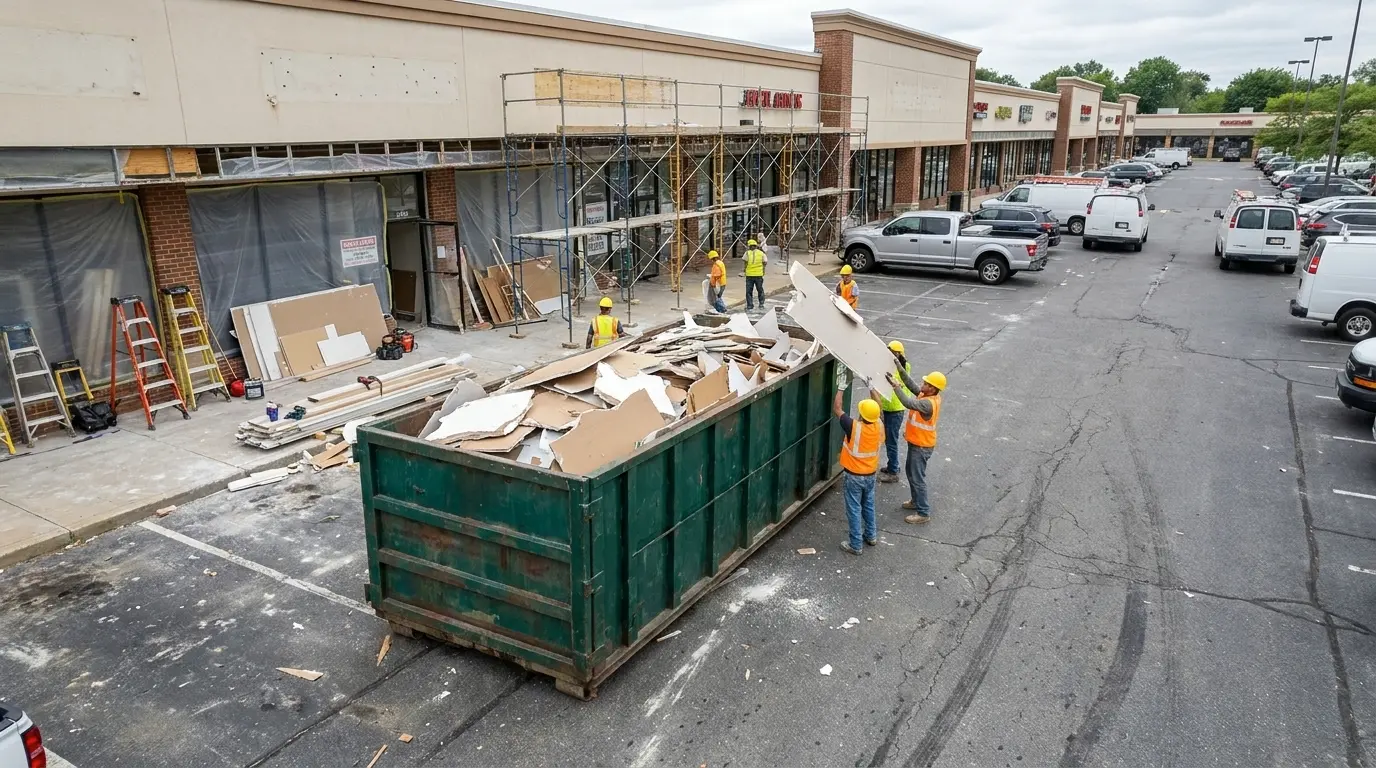
A construction site that doesn't clear debris quickly risks safety violations, project delays, and escalating dumpster fees. Piles of wood, drywall, and metal not only slow down workers but can lead to failed inspections from local building departments. Every day trash sits on site increases the chance of fines and lost productivity. Dumpster Rental Pros coordinates construction debris removal across all 50 states.
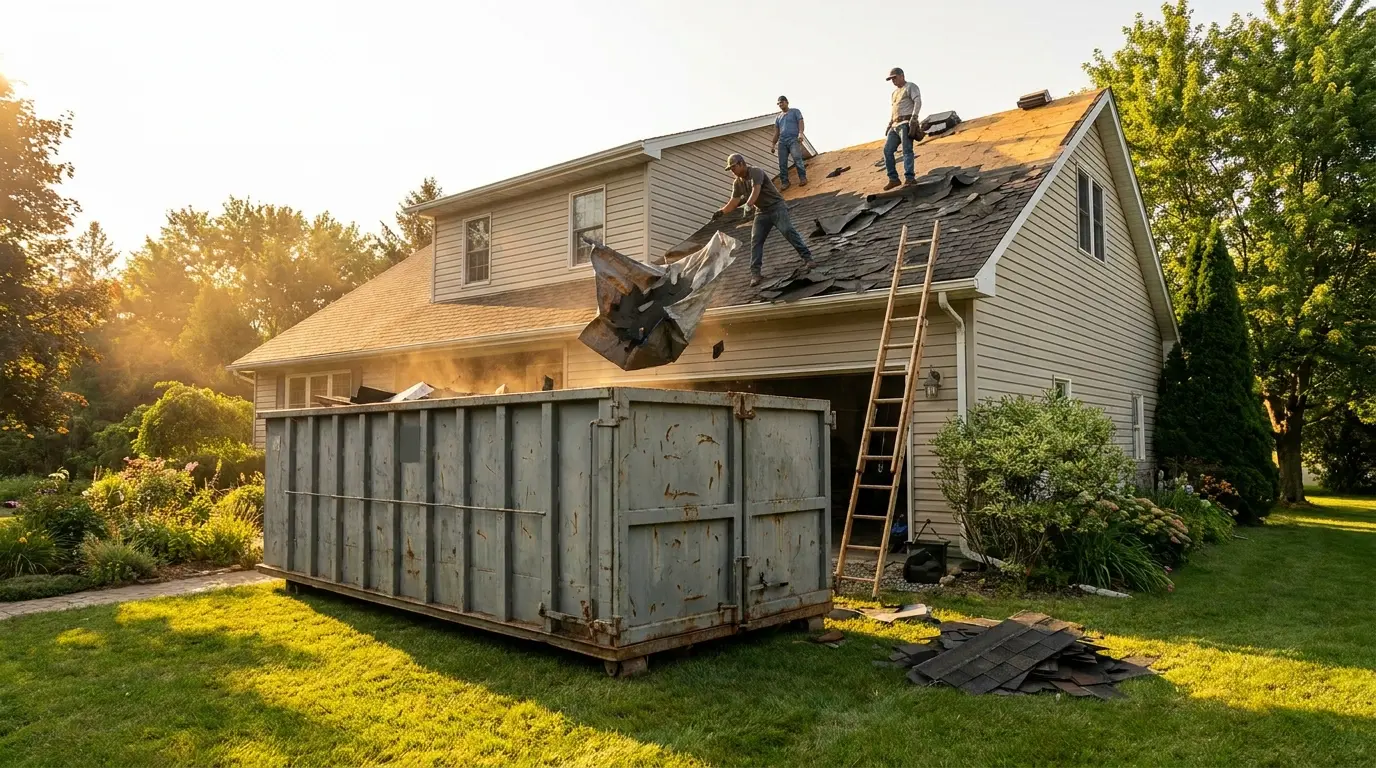
Signs You Need Construction Debris Removal Now
Ignoring growing debris piles is common but costly. Here are the warning signs that removal can’t wait:
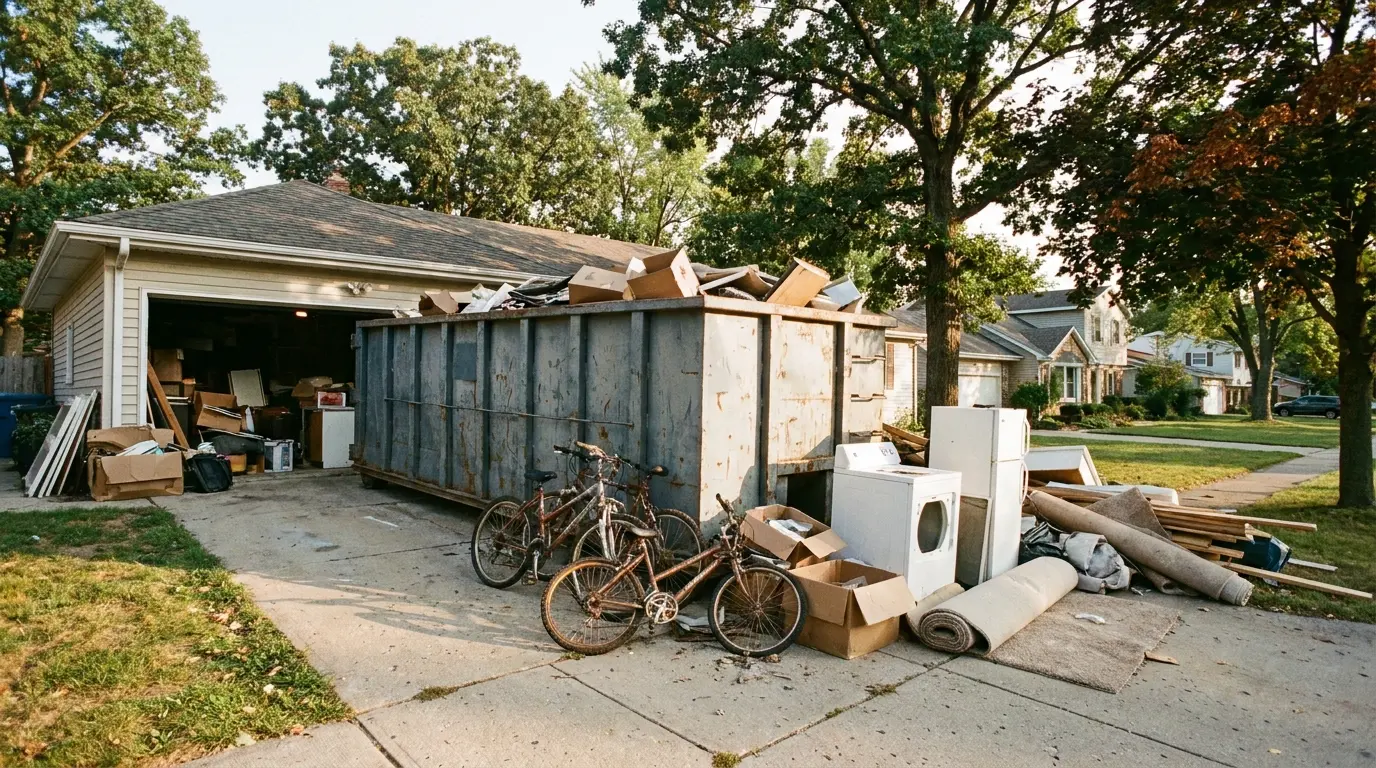
- Your job site has mixed waste—lumber, concrete, drywall, metal—spilling into walkways
- A local inspector flagged your site for blocked fire lanes or hydrants
- You’re hauling loads yourself but running out of time and truck space
- The dumpster is overflowing before your crew finishes the demo phase
- You received a notice about illegal dumping or exceeding weight limits When you delay, the cost climbs. A stalled project can trigger contract penalties. Overloaded dumpsters draw fines from the DOT for unsafe transport. Worse, leftover debris attracts pests and creates tripping hazards that lead to worker injuries.
Failing to clear debris early can double your total waste removal bill.
Most jobs come from residential remodels, roof replacements, and commercial build-outs. National variables like regional tipping fees and seasonal construction surges affect both price and timing. Acting early keeps your project on schedule and under budget.
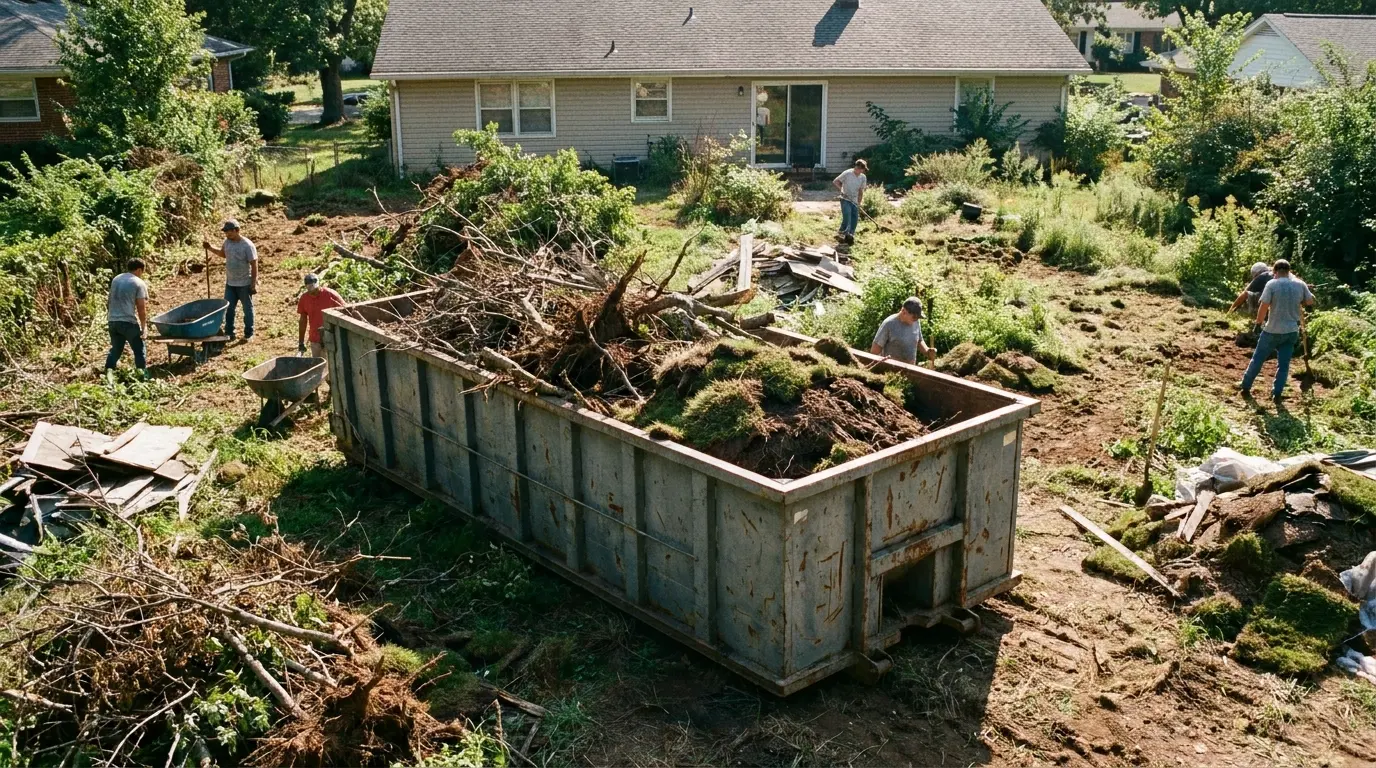
How Construction Debris Removal Works Nationwide
Our process stays consistent from state to state, but local rules and site conditions create variations. Here’s what to expect:
Step 1: Site Evaluation We ask about your debris type, volume, and job site location. This tells us which dumpster size fits—10-yard for light debris up to 40-yard for heavy demolition. We also check if a permit is needed from the city or county for street placement.
Step 2: Quote & Scheduling You get a written price that includes delivery, pickup, and disposal. Rates vary by region because of local landfill fees and state environmental agency requirements (e.g., California EPA, Texas Commission on Environmental Quality). Seasonal demand can affect availability, so we lock in your drop-off date.
Step 3: Delivery & Placement We drop the dumpster where it won’t block hydrants, fire lanes, or storm drains per Clean Water Act rules. For commercial sites, we follow OSHA loading safety guidelines. The driver confirms weight limits to avoid DOT overage charges.
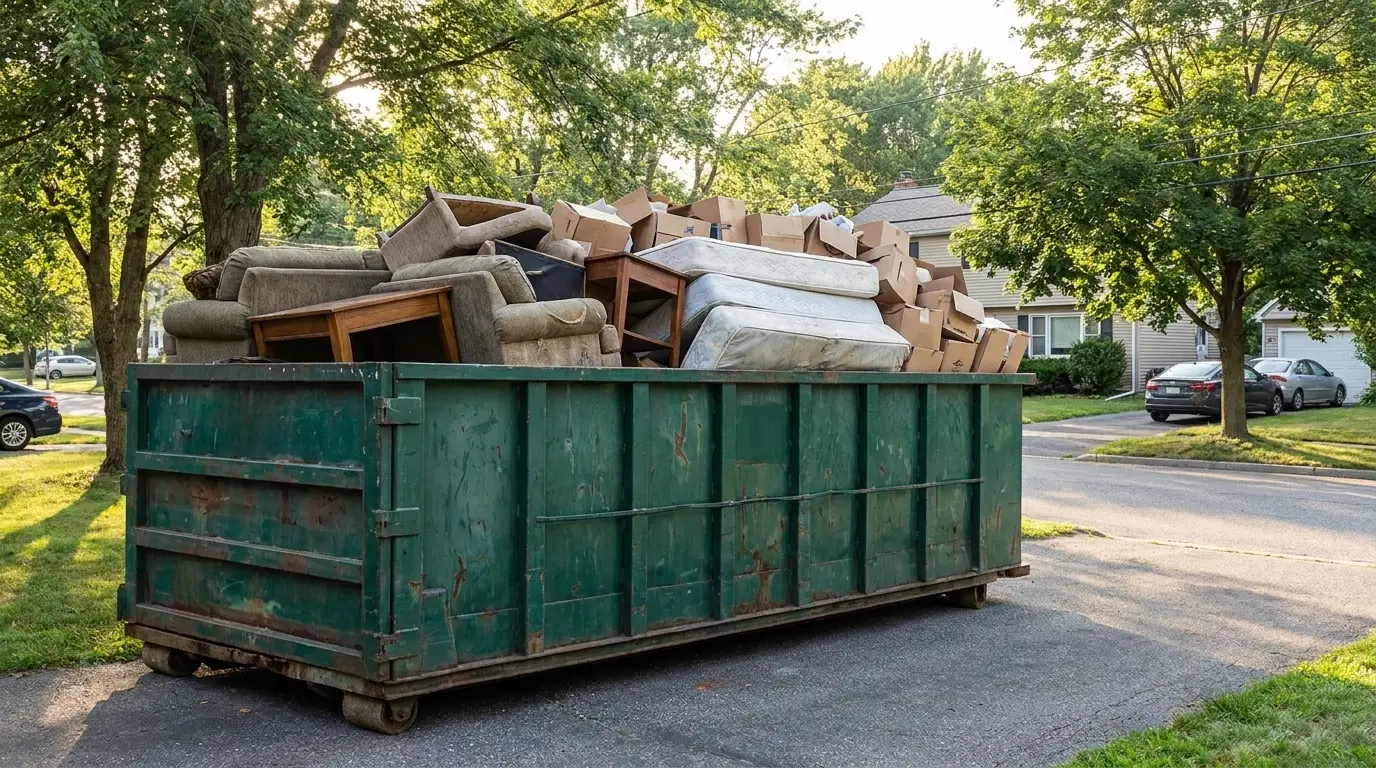
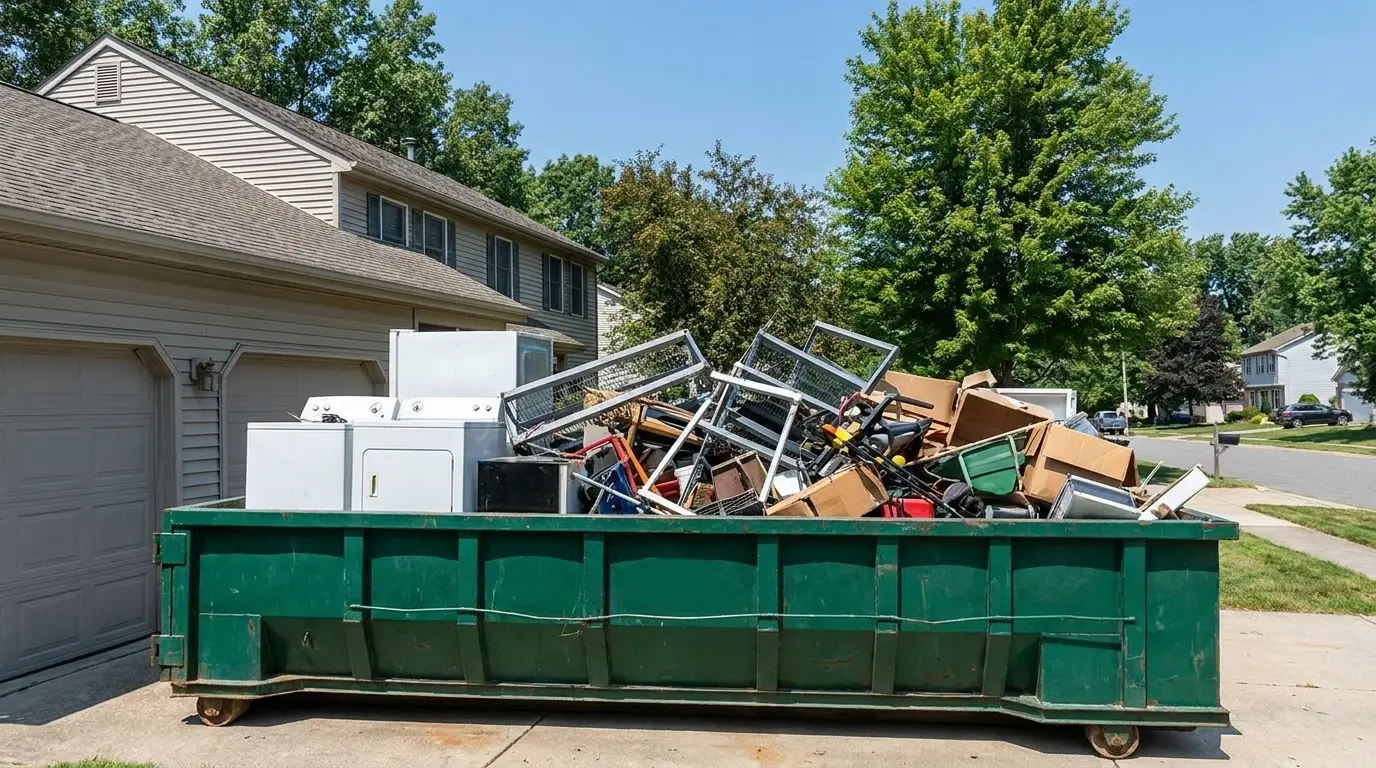
Step 4: Pickup & Disposal When you’re done, we haul the debris to a permitted facility. We sort out recyclable materials when possible—some states ban landfilling electronics, tires, or mattresses. You get a final invoice showing tonnage and any overage fees.
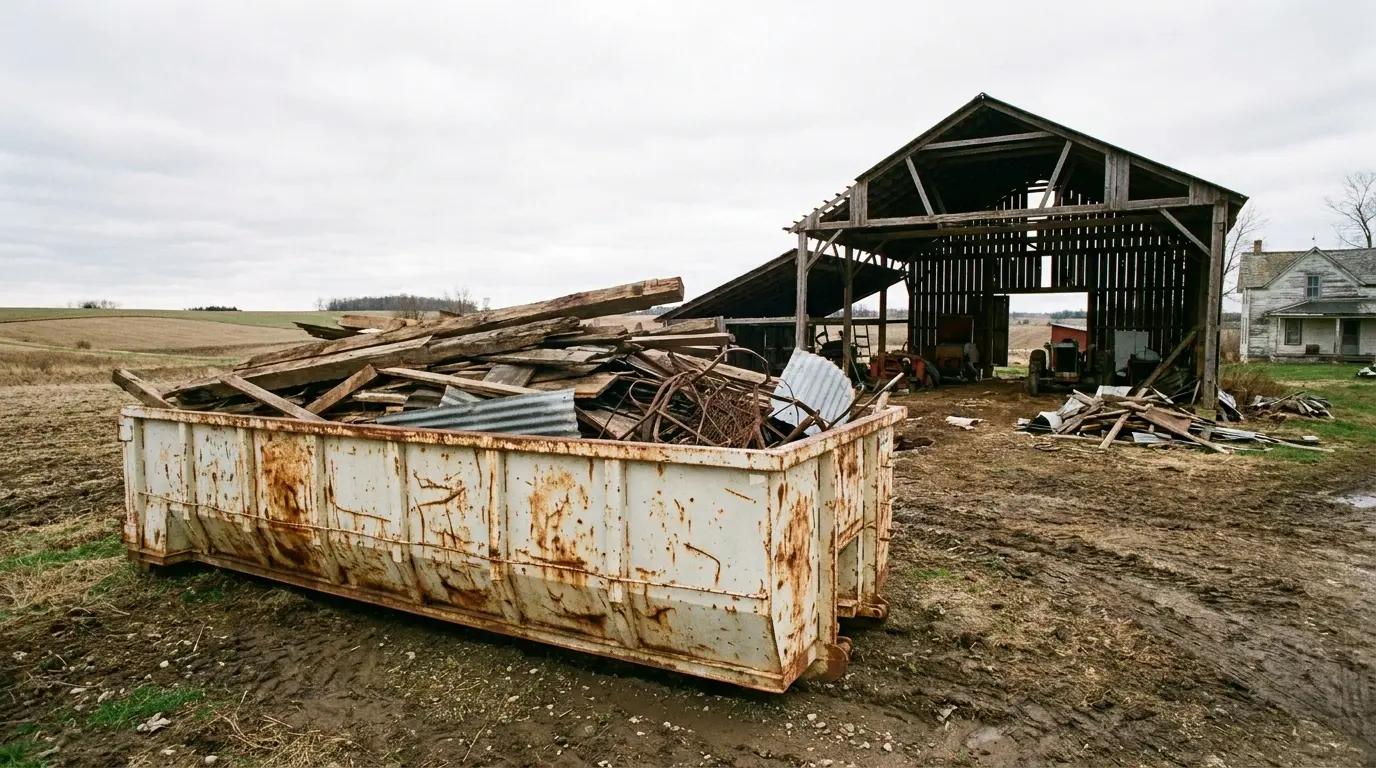
Why Dumpster Rental Pros Handles Debris Better
A generalist rental company often treats every job the same—one price, one size, one process. But construction debris removal across the US demands local knowledge. Dumpster Rental Pros coordinates a network that knows each market’s quirks: from permit requirements in New York City to lower tipping fees in rural Texas.
We maintain consistent communication on every job. Our dispatchers confirm permit status, weight limits, and disposal rules before the truck arrives. This reduces surprise charges and holds up your project timeline.
A coordinated team adjusts to site conditions quickly—no two job sites are alike.
Our operators are members of the National Waste & Recycling Association (NWRA) and follow EPA Resource Conservation and Recovery Act (RCRA) guidelines for hazardous waste. That means you avoid fines and keep your project clean. Whether it’s a kitchen remodel in Florida or a commercial demolition in Oregon, you get the same standard of service.
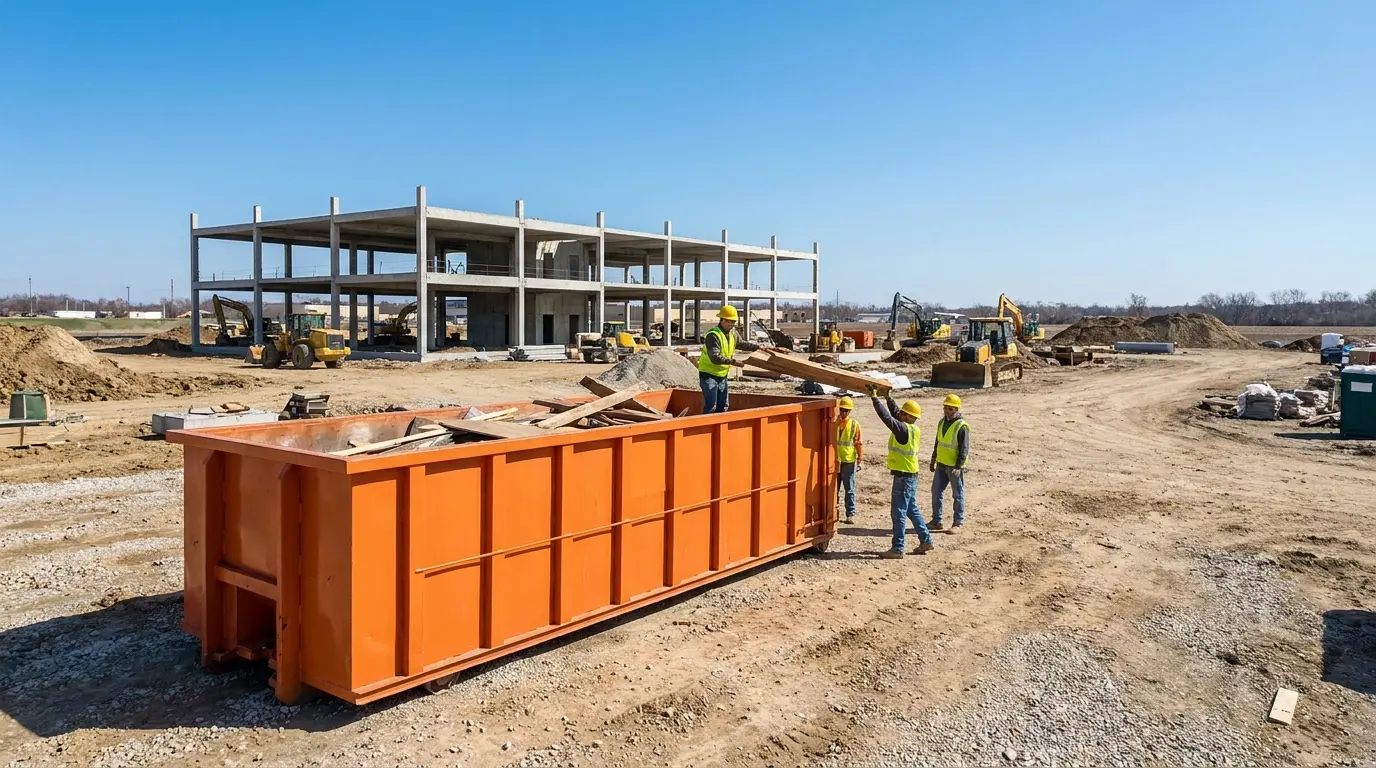
Construction Debris Removal Cost — What to Expect
Prices vary by region, job scope, and local code requirements. Use these nationwide ranges as a baseline:
| Dumpster Size | Typical Price per Week | Best For |
|---|---|---|
| 10-yard | $250–$400 | Light debris, yard waste |
| 20-yard | $300–$500 | Home renovation, drywall |
| 30-yard | $400–$600 | Major remodels, roofing |
| 40-yard | $500–$800 | Large construction, demo |
Additional costs: permit fees ($25–$150), overage charges ($50–$100 per ton over included weight). Concrete/asphalt loads may run $100–$200 per ton.
These ranges shift because of regional landfill tipping fees and local disposal bans. A written quote protects you from surprises—always ask for one before the dumpster arrives.
Get Your Construction Debris Removal Quote Now
Delaying debris removal risks project delays, safety fines, and higher disposal costs. Contact Dumpster Rental Pros today to check coverage in your state and receive a free written quote. One call connects you with a local expert who knows the codes and rules in your area.
Licensed & Insured
All providers in our network carry full liability insurance and hold required local business licenses in United States.
Regulatory Compliant
Our providers meet Local city or county building departments standards and all applicable local codes for Dumpster Rental.
No Hidden Fees
Quotes include all applicable charges. No surprise costs — review pricing with your provider before work begins.
Fast Response
Submit a quote request or call (833) 549-4191 — a local provider will respond promptly during business hours.
States We Cover
Frequently Asked Questions
What are the warning signs that you need construction debris removal?
How much does construction debris removal cost, and what drives the price?
How does the construction debris removal process work?
Do I need a permit for construction debris removal?
Why hire Dumpster Rental Pros instead of a general dumpster company?
Need Nationwide Dumpster Rental?
We connect you with trusted local providers in your state or city. Call or email us today.
Get a Dumpster Rental Quote
Tell us what you need and we'll connect you with a qualified local provider in your area — usually within 1 hour during business hours.