Differences Between Residential and Commercial Dumpster Rental
Why Knowing the Differences Between Residential and Commercial Dumpster Rental Saves You Money
Choosing between residential and commercial dumpster rental can be confusing. Homeowners cleaning out a garage face different rules than contractors managing a construction site. Local ordinances in cities like Los Angeles or Chicago often require permits for dumpsters placed on public streets. Rural areas may have fewer restrictions. Understanding these differences helps you avoid fines and delays. Residential rentals typically allow mixed household waste. Commercial projects often need separate containers for recyclables under EPA guidelines. Dumpster Rental Pros offers both options nationwide, so you get the right container for your job.
Size Differences Between Residential and Commercial Dumpsters
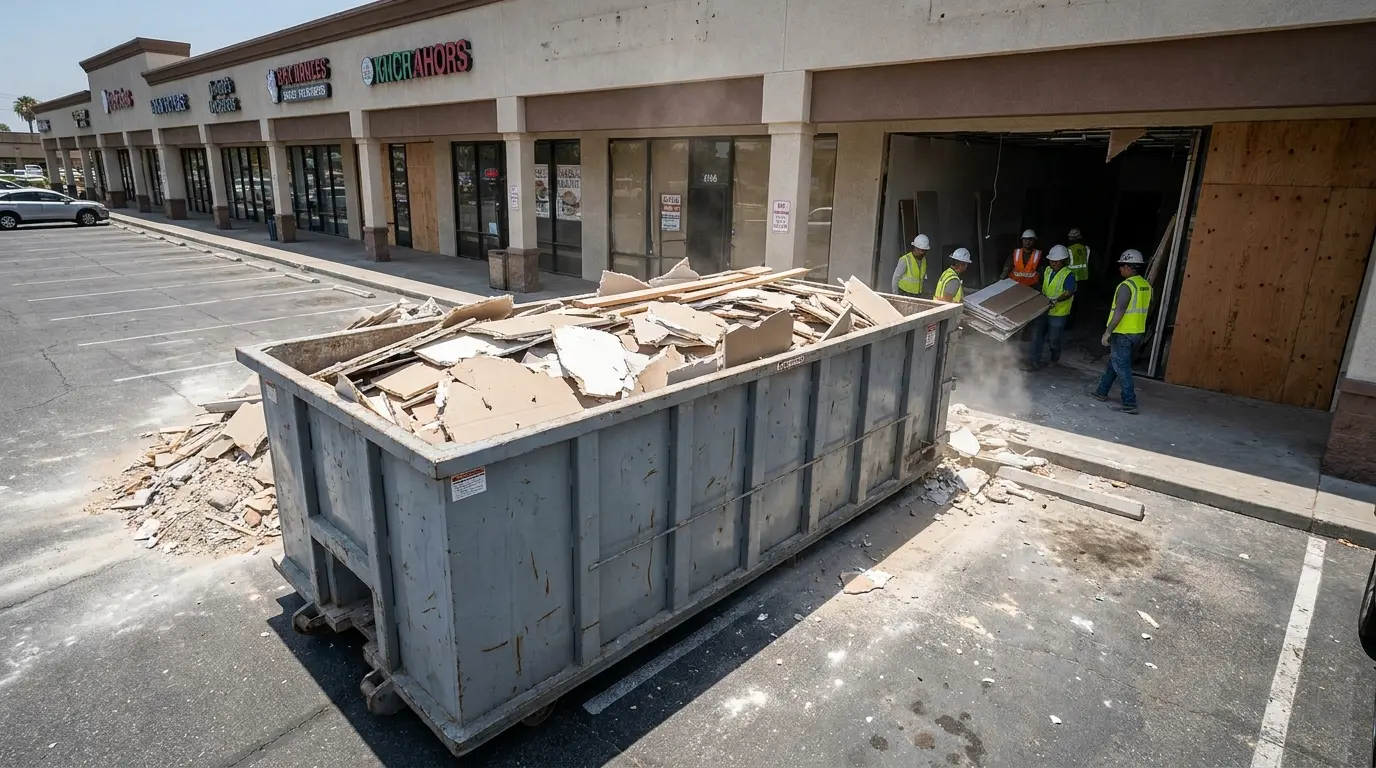
Residential dumpsters usually range from 10 to 20 cubic yards. They fit in driveways and hold debris from kitchen remodels or yard cleanups. Commercial dumpsters start at 20 cubic yards and go up to 40 cubic yards. Construction sites, office clearouts, and large-scale renovations need these bigger containers. A 30-yard dumpster handles roof replacement debris for an average home. A 40-yard dumpster suits a commercial demolition project.
Size matters for delivery and placement. Commercial dumpsters require more space. They often need a roll-off truck with a longer bed. Residential dumpsters can be placed on a driveway with a protective plywood base. Commercial sites may need a concrete pad or asphalt area to support the weight.
A 40-yard dumpster full of concrete weighs over 10 tons. That weight requires a flat, stable surface and often a street permit.
Permit Requirements Vary by Location and Project Type
Local permits are required for dumpsters placed on public property. Streets, sidewalks, and alleys need a permit from the city or county building department. Commercial projects in urban areas almost always require permits. Residential projects in suburban neighborhoods may not, as long as the dumpster sits on private property. States like California and Texas have different rules. The California EPA enforces strict waste diversion mandates. The Texas Commission on Environmental Quality oversees landfill bans on certain materials.
Federal regulations also apply. The EPA’s Resource Conservation and Recovery Act (RCRA) governs hazardous waste disposal. You cannot put oil-based paints, solvents, or asbestos in a standard dumpster. The Department of Transportation (DOT) has weight and safety rules for commercial hauling trucks. Occupational Safety and Health Administration (OSHA) requires safe loading practices on active job sites.
Pricing Models: Flat-Rate vs. Weight-Based
Residential rentals often use flat-rate pricing. You pay one fee for delivery, rental period, and disposal up to a weight limit. Commercial rentals are usually weight-based. You pay per ton of debris disposed. Landfill tipping fees vary by region. In the Northeast, fees can exceed $100 per ton. In the South, they may be half that. Seasonal fluctuations affect pricing too. Spring and summer see higher construction activity, raising demand and prices.
Make sure you understand the cost structure. A flat-rate residential rental works best for small projects with predictable waste. Weight-based commercial rental fits large jobs where waste volume varies. Some companies charge extra for heavy materials like concrete or dirt.
Waste Materials Allowed and Prohibited
Household waste, furniture, and yard debris are typical for residential dumpsters. Commercial dumpsters often accept construction debris, drywall, wood, metal, and cardboard. Certain items are banned in both categories under state and local laws. Electronics, tires, mattresses, and appliances may be prohibited from landfilling. The Clean Water Act restricts dumping debris into waterways or storm drains. Batteries and chemicals require special handling.
Check with your local provider. Dumpster Rental in California has specific rules for recycling. Dumpster Rental in Texas allows more mixed waste but still bans hazardous materials.
Insurance and Liability Considerations
Commercial dumpster rental often requires higher liability coverage. Contractors need to protect against property damage or injury on the job site. Residential customers usually rely on the rental company’s insurance. But if a dumpster damages a driveway or causes an accident, the renter may be responsible. Ask your provider about insurance requirements for your project.
When to Call a Professional Dumpster Rental Provider
If you are unsure about size, permits, or prohibited items, call a professional. Dumpster Rental Pros serves all 50 states. They know local regulations and can help you choose the right container. Do not guess. A wrong choice can lead to fines, rejected loads, or project delays.
The Bottom Line on Choosing Between Residential and Commercial Dumpster Rental
Understanding the differences between residential and commercial dumpster rental helps you avoid costly mistakes. Size, permits, pricing, and waste rules all vary. Local market conditions and code rules can change the answer. A small home renovation in Florida may have different requirements than a commercial build in New York. Always check with your local provider. Dumpster Rental Pros is here to help nationwide. Call or go online to get the right dumpster for your project. Don’t wait until debris piles up and fines start.
Frequently Asked Questions
What size dumpster do I need for a home renovation?
Can I put construction debris in a residential dumpster?
Do I need a permit for a commercial dumpster?
How much does commercial dumpster rental cost?
What items are banned from dumpsters?
Explore All Services
Browse all nationwide service options and choose the right fit for your project.
Roll-off dumpster delivery across the U.S. Prices and permits vary by market, property type, and local codes. Get a quote tailored to your area.
Call NowNationwide construction debris removal service. Pricing and delivery vary by local codes and property type. Call for a quote tailored to your area.
Call NowGet reliable yard waste disposal nationwide. Service delivery varies by local codes, permits, and property type. Call Dumpster Rental Pros for a quote.
Call NowFast home renovation waste hauling nationwide. Prices vary by region and permit rules. Get a free quote for your project.
Call NowNationwide concrete and asphalt removal services. Delivery varies by local codes, permits, and property type. Contact Dumpster Rental Pros for a quote.
Call NowNationwide roof tear-off dumpster service for contractors. Pricing, permit rules, and delivery vary by market and property type.
Call NowGet an estate cleanout dumpster delivered nationwide. Prices and availability vary by market, local codes, and property type. Request a quote today.
Call NowForeclosure property cleanup across the US. Pricing varies by region, local codes, and property type. Call Dumpster Rental Pros for a quote today.
Call NowOffice cleanout waste removal across the US. Service delivery, permits, and rules vary by market. Call for a quote.
Call NowNationwide retail store debris hauling from Dumpster Rental Pros. Service delivery may vary by market, local codes, or property type. Request a quote today.
Call NowRent an industrial scrap metal dumpster nationwide. Delivery varies by market, code rules, and property type. Call for a quote today.
Call NowNationwide mixed recycling dumpster service for construction, renovation & cleanup. Delivery varies by market, code rules & property type. Get a quote today.
Call NowNationwide demolition waste container rental for residential and commercial projects. Pricing varies by market, local permits, and property type. Get a quote today.
Call NowNationwide large event waste management. Pricing and permits vary by market, property type, and local code. Call for a quote.
Call NowReliable apartment complex dumpster service across the US. Delivery, permits, and pricing vary by market and property type. Request a quote today.
Call NowGet a moving box disposal dumpster for your move. Local permits and property type affect service. Request a quote today.
Call NowNationwide appliance removal dumpster service. Delivery varies by market, local code, and property type. Get a quote today.
Call NowReliable nationwide mattress and furniture disposal. Availability, pricing, and permit rules vary by market. Get a quote for your area today.
Call NowNationwide Household junk removal dumpster service. Delivery varies by market, code rules, and property type. Get a quote today.
Call NowNeed a Dirt and soil removal dumpster nationwide? Prices and delivery vary by local codes, permits, and property access. Get a quote for your area today.
Call NowBrowse by State
Choose your state or region to find local service coverage pages.
Need Nationwide Dumpster Rental?
We connect you with trusted local providers in your state or city. Call or email us today.