EPA Rules Every Dumpster Renter Should Know
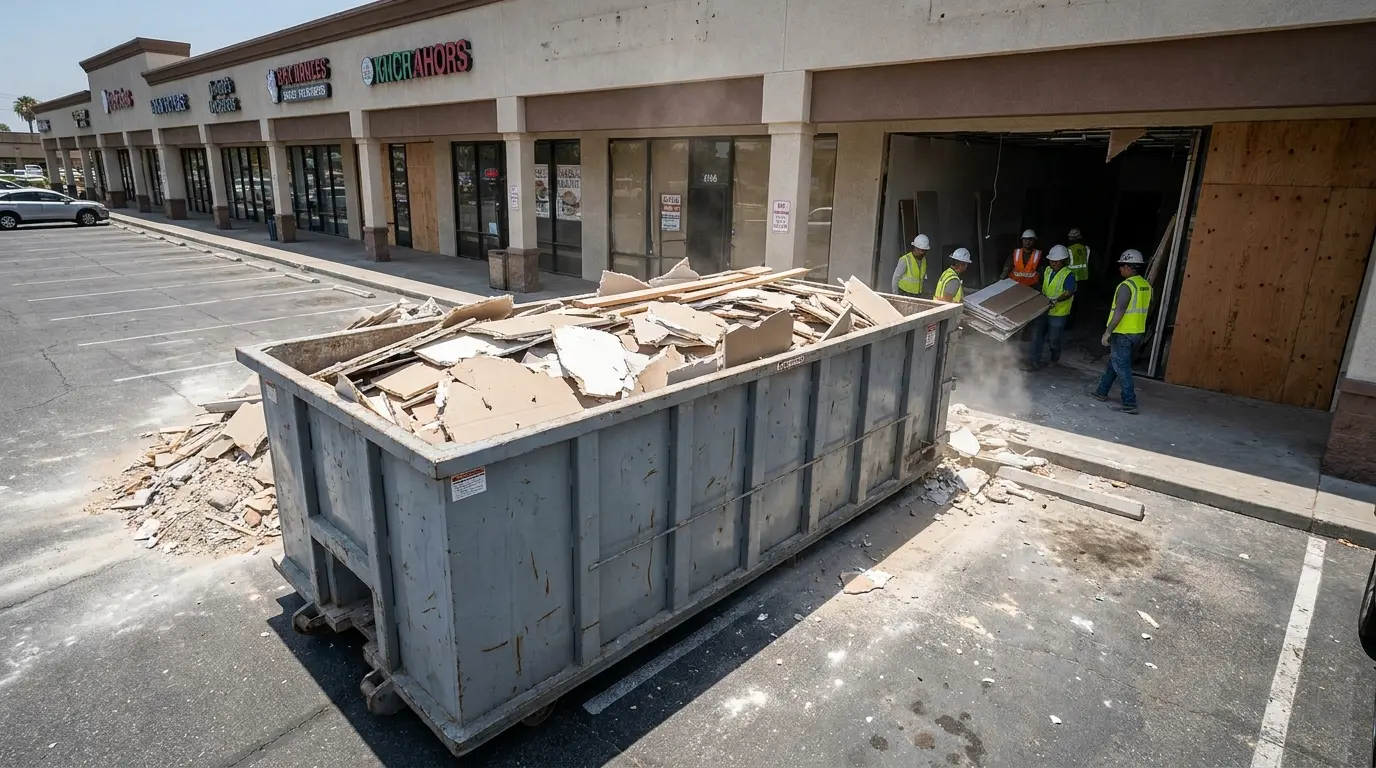
Why EPA Rules Matter for Your Dumpster Rental
When you rent a dumpster, federal rules from the Resource Conservation and Recovery Act (RCRA) apply. These rules dictate what can go into the bin and how it must be handled. Ignoring them can lead to fines, rejected loads, and project delays.
Local conditions add another layer. For example, California has stricter hazardous waste rules than some states. A dumpster placed on a public street may require a city permit. Always check with your rental company about local ordinances. They know the rules for your area.
What the EPA Controls Under RCRA
The EPA regulates solid waste disposal through RCRA. This law covers non-hazardous waste in landfills and sets standards for hazardous waste. For dumpster renters, the key rule: you cannot dispose of hazardous materials in a standard roll-off container. Common items banned include paints, solvents, batteries, pesticides, and oil.
If you mix hazardous waste with regular debris, the entire load may be rejected. The dumpster company could face fines, and you might be responsible. Some states, like Texas, have their own environmental agencies (TCEQ) that enforce similar rules.
A single can of old paint can contaminate an entire truckload. Know what you’re throwing away.
Hazardous Waste: What’s Allowed and What’s Not
Most household and construction debris is fine: wood, drywall, concrete, metal, roofing shingles, and yard waste. But electronics (e-waste), tires, mattresses, and appliances with refrigerants are often banned from landfills. Many states have separate recycling programs.
Check with your local Dumpster Rental in Florida provider or state EPA office. For example, Florida bans disposal of whole tires in landfills. You may need to separate them.
Permits for Dumpster Placement
If your dumpster sits on public property — a street, sidewalk, or alley — you likely need a permit from the city or county. This is common in dense urban areas like New York City or San Francisco. The rental company can often pull the permit for you, but you pay the fee.
Permit costs vary widely. In some towns it’s $25; in others it’s $150. Without a permit, you risk a ticket and forced removal. Ask your rental company about permit requirements before delivery.
DOT Rules for Weight and Safety
Department of Transportation (DOT) rules apply to the trucks that deliver and pick up dumpsters. Overloaded dumpsters are dangerous and illegal. The driver must ensure the load is within legal weight limits. If you fill a 20-yard dumpster with heavy concrete, the truck may exceed its gross vehicle weight rating.
Overweight loads can damage roads, cause accidents, and result in fines for the rental company. They may pass that cost to you. Keep heavy materials like dirt or concrete to no more than half the dumpster height.
OSHA Requirements for Safe Loading
Occupational Safety and Health Administration (OSHA) rules apply to workers loading dumpsters. If you hire a crew, they must follow safe practices: no overloading, proper lifting, and stable placement. For DIY projects, it’s still smart to avoid piling debris above the rim.
An overloaded dumpster can tip during pickup. That’s a serious safety hazard. Keep the load level with the top edge.
Clean Water Act Restrictions
You cannot dump debris into waterways or storm drains. The Clean Water Act prohibits any discharge of pollutants into U.S. waters. That means no washing out paint brushes into the gutter, and no dumping concrete washout near a storm drain.
If your project is near a river, lake, or coastal area, extra care is needed. Local health departments and fire departments may also have rules about dumpster placement near hydrants or in fire lanes.
State and Local Variations
Each state has its own environmental agency that enforces EPA rules. Examples include California EPA, Texas Commission on Environmental Quality, and New York DEC. Some states ban certain materials outright; others require recycling.
For example, Massachusetts bans disposal of asphalt pavement, brick, and concrete in landfills. Oregon requires recycling of construction debris. Always check with your rental company or state agency. They can provide a list of banned items.
Industry Resources for Compliance
National organizations like the National Waste & Recycling Association (NWRA) and Solid Waste Association of North America (SWANA) provide guidelines for proper waste handling. The Construction & Demolition Recycling Association (CDRA) offers best practices for job site debris. These groups help rental companies stay compliant.
If you’re a contractor, consider joining the National Association of Home Builders (NAHB) for updates on waste regulations. They often publish state-by-state guides.
Practical Tips to Avoid Fines
-
Ask your rental company for a list of prohibited items.
-
Separate hazardous materials before loading.
-
Keep the dumpster on your property if possible to avoid permit issues.
-
Do not overfill — keep debris level with the top.
-
If you’re unsure about an item, ask.
It’s cheaper to dispose of a single item separately than to have the whole load rejected.
For more details, see our Dumpster Rental in California page for state-specific rules.
Your Next Steps for Compliant Dumpster Rental
Following EPA rules protects you from fines and keeps your project moving. The key is knowing what goes in and where the dumpster sits. Local rules vary, so always confirm with your rental company.
At Dumpster Rental Pros, we help customers navigate these regulations. Whether you need a dumpster for a kitchen remodel in Florida or a roof replacement in Oregon, we ensure compliance. Contact us to discuss your project and get the right bin for your waste.
Rules exist to keep communities safe and landfills running. Follow them and your job stays on track.
Frequently Asked Questions
Can I put old paint cans in a dumpster?
Do I need a permit for a dumpster on my driveway?
What happens if I put hazardous waste in the dumpster?
Are there different rules for construction debris vs. household junk?
Explore All Services
Browse all nationwide service options and choose the right fit for your project.
Roll-off dumpster delivery across the U.S. Prices and permits vary by market, property type, and local codes. Get a quote tailored to your area.
Call NowNationwide construction debris removal service. Pricing and delivery vary by local codes and property type. Call for a quote tailored to your area.
Call NowGet reliable yard waste disposal nationwide. Service delivery varies by local codes, permits, and property type. Call Dumpster Rental Pros for a quote.
Call NowFast home renovation waste hauling nationwide. Prices vary by region and permit rules. Get a free quote for your project.
Call NowNationwide concrete and asphalt removal services. Delivery varies by local codes, permits, and property type. Contact Dumpster Rental Pros for a quote.
Call NowNationwide roof tear-off dumpster service for contractors. Pricing, permit rules, and delivery vary by market and property type.
Call NowGet an estate cleanout dumpster delivered nationwide. Prices and availability vary by market, local codes, and property type. Request a quote today.
Call NowForeclosure property cleanup across the US. Pricing varies by region, local codes, and property type. Call Dumpster Rental Pros for a quote today.
Call NowOffice cleanout waste removal across the US. Service delivery, permits, and rules vary by market. Call for a quote.
Call NowNationwide retail store debris hauling from Dumpster Rental Pros. Service delivery may vary by market, local codes, or property type. Request a quote today.
Call NowRent an industrial scrap metal dumpster nationwide. Delivery varies by market, code rules, and property type. Call for a quote today.
Call NowNationwide mixed recycling dumpster service for construction, renovation & cleanup. Delivery varies by market, code rules & property type. Get a quote today.
Call NowNationwide demolition waste container rental for residential and commercial projects. Pricing varies by market, local permits, and property type. Get a quote today.
Call NowNationwide large event waste management. Pricing and permits vary by market, property type, and local code. Call for a quote.
Call NowReliable apartment complex dumpster service across the US. Delivery, permits, and pricing vary by market and property type. Request a quote today.
Call NowGet a moving box disposal dumpster for your move. Local permits and property type affect service. Request a quote today.
Call NowNationwide appliance removal dumpster service. Delivery varies by market, local code, and property type. Get a quote today.
Call NowReliable nationwide mattress and furniture disposal. Availability, pricing, and permit rules vary by market. Get a quote for your area today.
Call NowNationwide Household junk removal dumpster service. Delivery varies by market, code rules, and property type. Get a quote today.
Call NowNeed a Dirt and soil removal dumpster nationwide? Prices and delivery vary by local codes, permits, and property access. Get a quote for your area today.
Call NowBrowse by State
Choose your state or region to find local service coverage pages.
Need Nationwide Dumpster Rental?
We connect you with trusted local providers in your state or city. Call or email us today.