Understanding Dumpster Weight Limits Before You Fill One
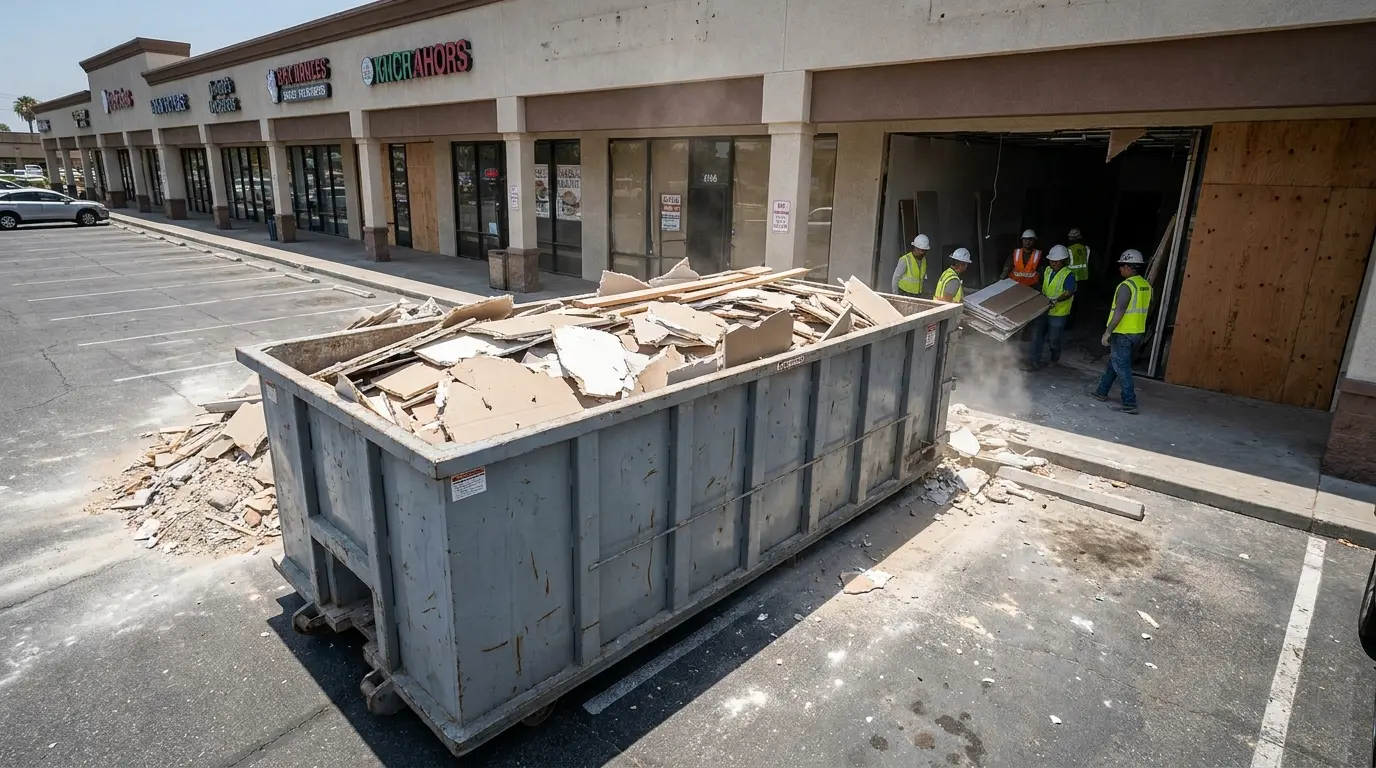
Why Dumpster Weight Limits Matter for Every Rental
Dumpster weight limits exist because trucks have a maximum legal payload under Department of Transportation (DOT) rules. Exceeding that limit makes the vehicle unsafe and illegal to drive. Rental companies pass those costs to you.
Most residential dumpsters have a weight allowance between 1 and 2 tons. Heavy debris like concrete, dirt, or roofing shingles fills that allowance quickly. A standard 20-yard dumpster might hold 10 tons of concrete but only 2 tons of mixed household junk.
A single cubic yard of concrete weighs about 4,000 pounds. That same space filled with furniture weighs only 150 pounds.
Local factors change the equation. In states with high landfill tipping fees (like New York or California), overage charges are steeper because the rental company pays more per ton at the dump. Permits for street placement, required by many city building departments, add another layer of cost if you need to swap out a container mid-project.
For projects involving heavy materials, always ask your rental provider for a weight estimate. Our Dumpster Rental Pros team can help you choose the right size and weight allowance for your specific job.
How Dumpster Weight Limits Are Calculated
Rental companies base weight limits on the gross vehicle weight rating (GVWR) of their trucks and the empty weight of the dumpster. A typical roll-off truck can legally carry 10–15 tons total, including the container itself. After subtracting the dumpster’s weight, the available payload for debris is usually 1–6 tons, depending on container size.
Smaller dumpsters (10–15 yards) often have a 2-ton limit. Larger ones (30–40 yards) may allow up to 6 tons. But the actual limit also depends on the landfill’s scale and the company’s contract with the disposal site.
Common Materials That Push You Over the Limit
Concrete, brick, and stone are the heaviest. A full load of concrete from a driveway demo can weigh 10–12 tons in a 20-yard dumpster. That exceeds most residential allowances by 500% or more.
Dirt and sand are also heavy. One cubic yard of moist topsoil weighs about 2,200 pounds. A 15-yard dumpster filled with dirt holds roughly 16.5 tons.
Roofing shingles are moderate but add up fast. A typical 2,000-square-foot roof produces about 3–4 tons of tear-off debris.
Mixed household junk (furniture, cardboard, plastics) is light. You can fill a dumpster to the brim without hitting the weight limit.
What Happens When You Exceed the Weight Limit
Exceeding the limit triggers overage charges — usually a per-ton fee that can range from $50 to $150 per extra ton. In some cases, the driver may refuse to pick up an overloaded container. That means you pay for an extra trip or a second dumpster.
If the truck is overweight on public roads, you could face fines from DOT or local law enforcement. The rental company may pass those fines to you. In extreme cases, an overloaded truck can cause a tire blowout or brake failure, leading to accidents.
Regional Differences That Affect Weight Limits
Landfill tipping fees vary widely. In the Northeast, fees can exceed $100 per ton. In the South, they may be under $30. Companies in high-fee areas set lower weight limits to protect their margins.
State environmental agencies (e.g., California EPA, Texas Commission on Environmental Quality) regulate disposal of certain materials. Concrete and asphalt can often be recycled at lower cost, but only if you separate them. Mixed loads go to landfills at higher rates.
Local permits for street placement often restrict how long a dumpster can sit. If you need to swap containers because of weight, you may need a permit extension, adding time and money.
How to Avoid Overage Fees
-
Estimate your debris weight before ordering. Use online calculators or ask your rental company for guidance.
-
Choose the right container size for your material type. Heavy debris often requires a smaller dumpster with a higher weight allowance.
-
Load evenly and avoid piling heavy items on one side. This prevents shifting during transport.
-
Separate heavy materials like concrete from light trash. Some companies offer separate containers for concrete at lower rates.
-
Ask about “heavy” dumpsters — some providers offer containers with higher weight limits for an extra fee.
For help selecting the right dumpster for your project, check our Dumpster Rental in Florida page for state-specific tips.
Regulations and Agencies That Oversee Weight Limits
Several bodies set rules that affect dumpster weight limits:
-
Department of Transportation (DOT) — enforces commercial vehicle weight limits on highways and roads.
-
Occupational Safety and Health Administration (OSHA) — requires safe loading practices to prevent worker injuries.
-
Environmental Protection Agency (EPA) — under the Resource Conservation and Recovery Act (RCRA) , regulates disposal of hazardous waste. Mixing hazardous materials with regular debris can trigger special handling and higher costs.
-
Clean Water Act — prohibits dumping debris into waterways or storm drains. This applies to construction sites near drainage areas.
-
Local health departments — may restrict disposal of certain materials (e.g., asbestos, medical waste).
-
Fire departments — often require clear access around dumpsters placed near hydrants or fire lanes.
Trade associations like the National Waste & Recycling Association (NWRA) and the Solid Waste Association of North America (SWANA) provide industry best practices for safe loading and weight management.
When to Call a Professional
If your project involves heavy materials, a demolition, or a large commercial job, talk to a rental company before ordering. They can calculate the right size and weight allowance based on your specific debris.
For nationwide service, Dumpster Rental Pros works with local providers who know the rules in your area. We can help you avoid overage fees and permit headaches.
Next Steps for Renting a Dumpster Without Surprise Fees
Weight limits are not optional. They are based on truck capacity, road safety laws, and landfill costs. Ignoring them leads to extra charges, fines, and project delays.
Before you fill any dumpster, estimate your debris weight. Ask your rental company about the allowance and what materials are included. If you are unsure, order a larger allowance or a separate container for heavy items.
Local conditions matter. Tipping fees in your state, permit requirements from your city building department, and EPA rules on hazardous waste all affect the final cost. A provider familiar with your area can give accurate advice.
Contact Dumpster Rental Pros today for a free quote. We’ll match you with a local company that understands the weight limits and regulations in your region. No guesswork, no hidden fees.
Frequently Asked Questions
What is the typical weight limit for a residential dumpster?
What happens if I exceed the weight limit?
How can I estimate the weight of my debris?
Are there different weight limits for different materials?
Do local regulations affect weight limits?
Can I put hazardous waste in a dumpster?
Explore All Services
Browse all nationwide service options and choose the right fit for your project.
Roll-off dumpster delivery across the U.S. Prices and permits vary by market, property type, and local codes. Get a quote tailored to your area.
Call NowNationwide construction debris removal service. Pricing and delivery vary by local codes and property type. Call for a quote tailored to your area.
Call NowGet reliable yard waste disposal nationwide. Service delivery varies by local codes, permits, and property type. Call Dumpster Rental Pros for a quote.
Call NowFast home renovation waste hauling nationwide. Prices vary by region and permit rules. Get a free quote for your project.
Call NowNationwide concrete and asphalt removal services. Delivery varies by local codes, permits, and property type. Contact Dumpster Rental Pros for a quote.
Call NowNationwide roof tear-off dumpster service for contractors. Pricing, permit rules, and delivery vary by market and property type.
Call NowGet an estate cleanout dumpster delivered nationwide. Prices and availability vary by market, local codes, and property type. Request a quote today.
Call NowForeclosure property cleanup across the US. Pricing varies by region, local codes, and property type. Call Dumpster Rental Pros for a quote today.
Call NowOffice cleanout waste removal across the US. Service delivery, permits, and rules vary by market. Call for a quote.
Call NowNationwide retail store debris hauling from Dumpster Rental Pros. Service delivery may vary by market, local codes, or property type. Request a quote today.
Call NowRent an industrial scrap metal dumpster nationwide. Delivery varies by market, code rules, and property type. Call for a quote today.
Call NowNationwide mixed recycling dumpster service for construction, renovation & cleanup. Delivery varies by market, code rules & property type. Get a quote today.
Call NowNationwide demolition waste container rental for residential and commercial projects. Pricing varies by market, local permits, and property type. Get a quote today.
Call NowNationwide large event waste management. Pricing and permits vary by market, property type, and local code. Call for a quote.
Call NowReliable apartment complex dumpster service across the US. Delivery, permits, and pricing vary by market and property type. Request a quote today.
Call NowGet a moving box disposal dumpster for your move. Local permits and property type affect service. Request a quote today.
Call NowNationwide appliance removal dumpster service. Delivery varies by market, local code, and property type. Get a quote today.
Call NowReliable nationwide mattress and furniture disposal. Availability, pricing, and permit rules vary by market. Get a quote for your area today.
Call NowNationwide Household junk removal dumpster service. Delivery varies by market, code rules, and property type. Get a quote today.
Call NowNeed a Dirt and soil removal dumpster nationwide? Prices and delivery vary by local codes, permits, and property access. Get a quote for your area today.
Call NowBrowse by State
Choose your state or region to find local service coverage pages.
Need Nationwide Dumpster Rental?
We connect you with trusted local providers in your state or city. Call or email us today.